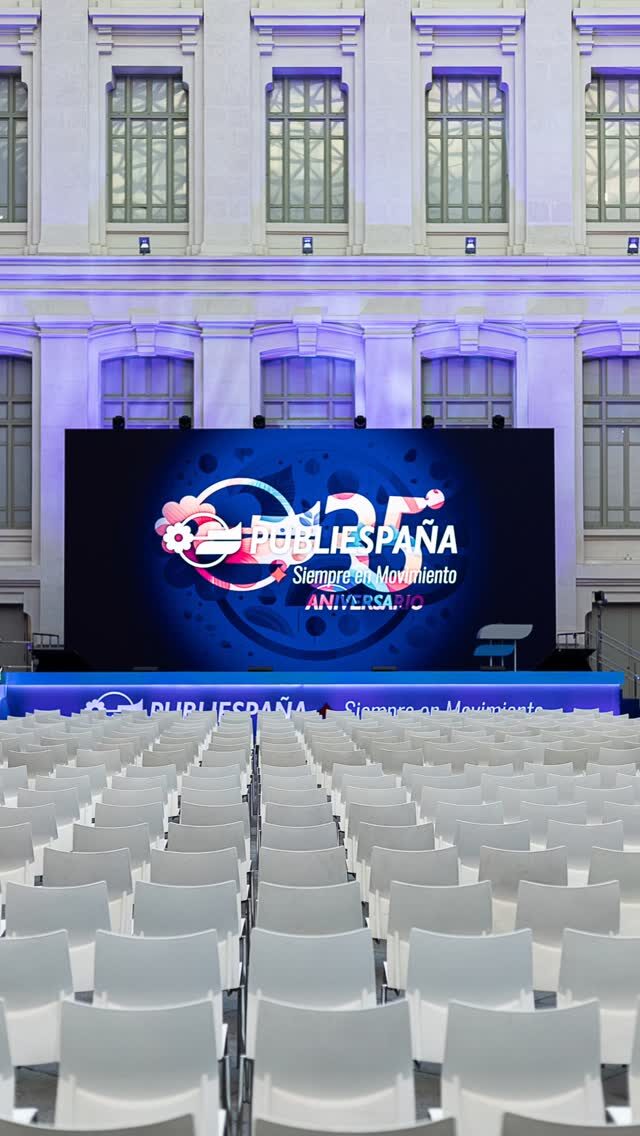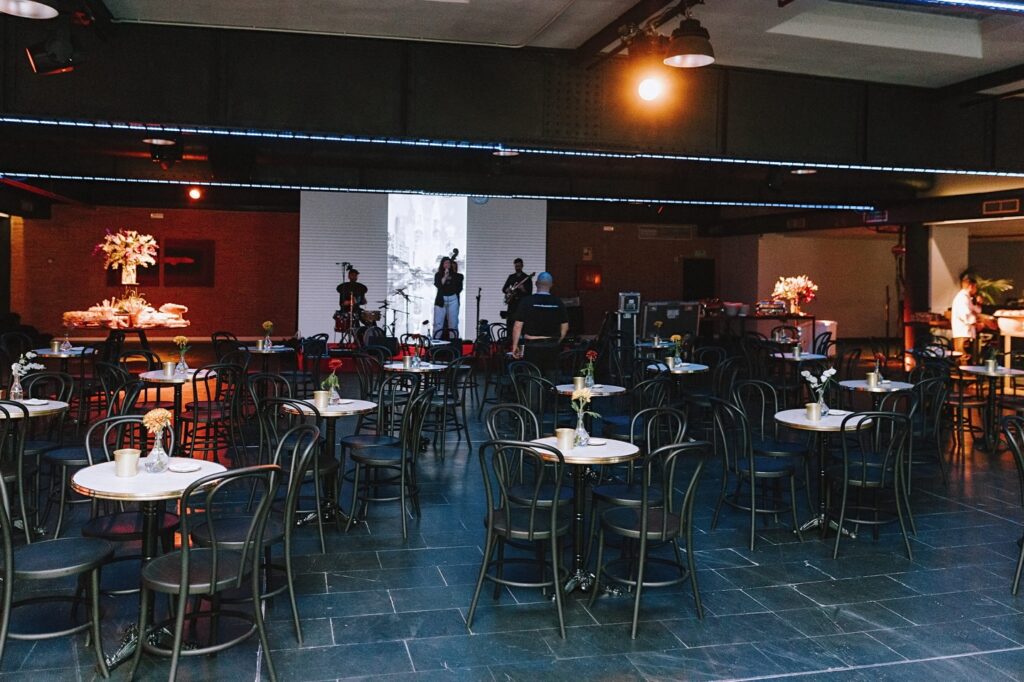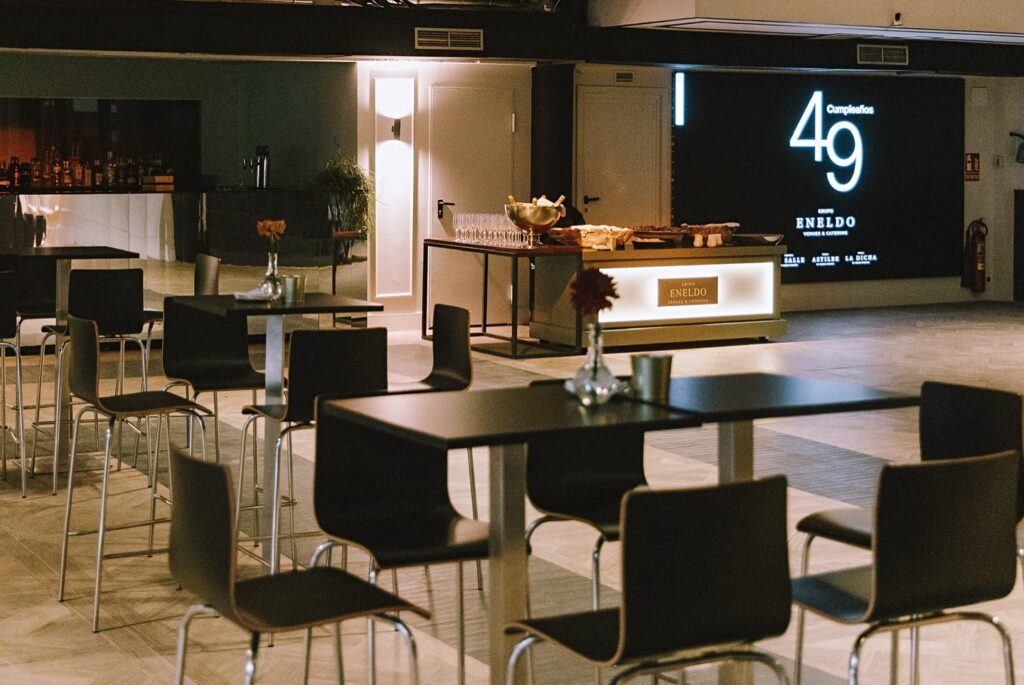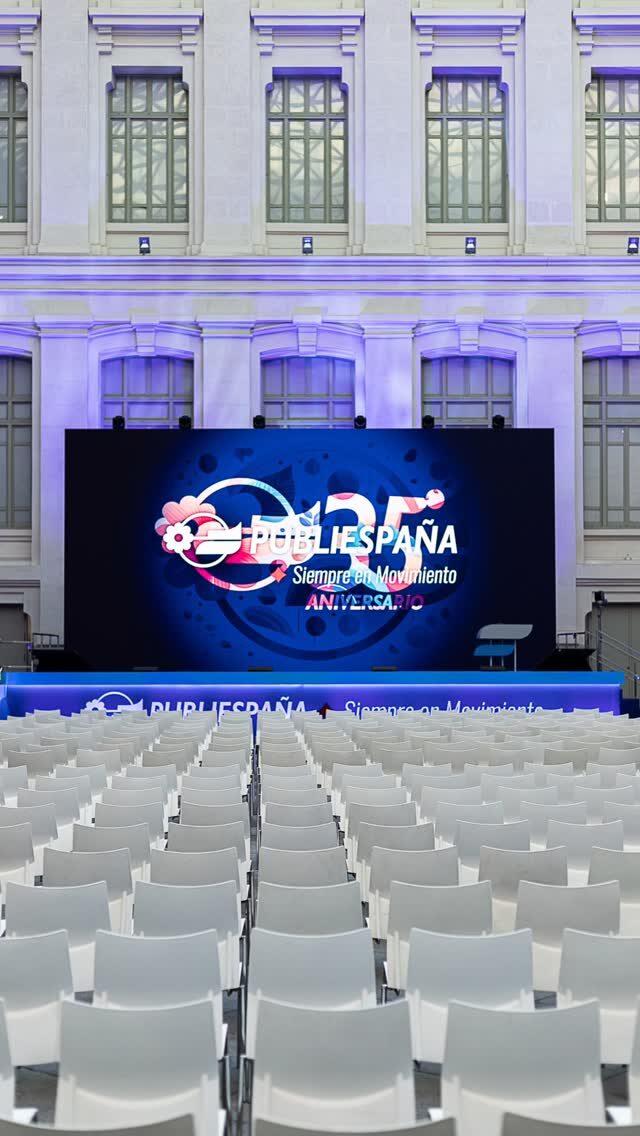
Protocol is much more than a set of social rules; it is an essential tool that ensures order, legitimacy, and institutional image during formal events. From ancient times to the present day, protocol has evolved to adapt to the needs of each era, maintaining its relevance in formal and institutional settings.
Historical origins of protocol
The history of protocol dates back to ancient civilizations such as Egypt and Babylon. In ancient Egypt, for instance, there was the figure of the “chief ritualist,” responsible for ensuring that ceremonies were carried out correctly. Likewise, the Code of Hammurabi—one of the earliest written sets of laws—included regulations on how official acts and ceremonies should be conducted, establishing precedences and rituals that reinforced social hierarchy and the authority of rulers.
In ancient Greece and Rome, protocol also played a crucial role. The Greeks enforced protocol rules for banquets and funeral rituals, while in Rome specific ceremonies were held to mark events such as the birth of a child, when the newborn’s name was officially given on the dies lustricus.
During the Middle Ages, protocol became firmly established in royal courts, where ceremonies and rituals were fundamental to maintaining order and hierarchy. In the Modern Age—especially between the 18th and 20th centuries—many of the protocol standards we know today were formalized, coinciding with an increase in conflicts and the growing need to establish clear rules in diplomatic relations.
Evolution of protocol up to the present
Over the centuries, protocol has continued to evolve to align with social, political, and cultural changes. Today, it is applied not only in royal or diplomatic contexts but also in corporate, academic, and social events. Its main function is to ensure that acts are carried out with order, respect, and coherence, reflecting the values and image of the organizing institution.
The COVID-19 pandemic marked a turning point in event organization, driving the adoption of virtual and hybrid formats. Ramón Peche, president of the Spanish Association of Protocol (AEP), highlighted that this situation taught professionals how to perform virtual events—opening a new paradigm that allows for broader participation and attendance, as distance is no longer an obstacle.
Moreover, sustainability has become a key consideration in event planning. Protocol professionals now take into account the environmental, social, and economic impact of each event, selecting suppliers who share this sustainable vision and working with quality and responsibility.
The importance of protocol in formal and institutional events
In formal and institutional events, protocol fulfills several essential functions:
Legitimacy and respect: It acknowledges and respects each participant’s institutional role, reinforcing the legitimacy of institutions beyond personal or political preferences.
Organizational neutrality: Applying official regulations prevents favoritism or misinterpretation, acting as a tool for fairness.
Fluency and professionalism: Proper use of protocol ensures that events unfold smoothly and professionally, projecting an appropriate image of the institution.
Effective communication: Protocol establishes a clear framework for communication, facilitating institutional relations and ensuring that the event’s message is conveyed coherently and effectively.
Conclusion
With its roots in ancient civilizations and continuous evolution throughout history, protocol remains an indispensable tool in organizing formal and institutional events. Its correct application not only ensures order and legitimacy but also projects a professional and coherent image of the institution, strengthening relationships and communication within the institutional sphere.