Organizing an event, whether it’s a family birthday in the backyard or a massive conference, is no easy task. Recent history has given us spectacular examples of how not to do it: from a luxury festival in the Caribbean that ended up serving cold sandwiches and housing guests in emergency tents, to weddings nearly ruined by an unexpected last-minute detail. If something can go wrong, sometimes it will—but each stumble comes with a valuable lesson.
The good news: almost all these mistakes can be prevented. Below, we review the most common errors in organizing social and corporate events, illustrated with real-life cases (some truly incredible!) and clear tips to avoid them. Because learning from others’ mistakes is far better than suffering them yourself.
Promising the world and failing to deliver
A seductive invitation and heavy promotion can draw attention to your event… but beware of overselling. The infamous Fyre Festival was hyped as a luxury musical experience on a paradise island, with tickets costing thousands, models and influencers raving on social media, and promises of opulent villas and gourmet food. The reality? A historic fiasco: no star concerts, luxury villas turned out to be poorly equipped tents, and food limited to foam-box sandwiches. Outrage led to cancellation and multimillion-dollar lawsuits.
Extreme cases like Fyre Festival show the cost of creating unrealistic expectations without solid logistics. Even in smaller events, we fall into this trap: announcing “the best birthday of the decade” or “the wedding of the century” then improvising leads to disappointment. The lesson: don’t promise what you’re not sure you can deliver. Be transparent about offerings and plan every detail so reality meets (or exceeds) expectations. It’s better to pleasantly surprise guests than to look foolish by overpromising.
The budget black hole
Among the words that terrify inexperienced organizers most is “budget.” A common mistake is splurging without control or skimping on key items. Both extremes can derail your event. A notorious example was Barcelona’s Jiwapop Festival 2014: it announced big-name artists and sold thousands of tickets but canceled the day before due to lack of funds. Many attendees were left without a show, and some never got refunds.
In social events, it’s similar on a smaller scale: couples dreaming of a royal wedding without crunching numbers, or companies hosting lavish product launches without ROI calculations. The antidote? Create a realistic, detailed budget and stick to it. Include all costs (venue rental, catering, contingency buffer) and track every expense. If fireworks or an expensive band excite you, adjust dreams to what your pocket (or sponsor’s) can handle. Prioritize what directly impacts guest experience (food, sound, safety) over non-essentials. A solid budget is your map to navigate without sinking into the red.
Wrong venue and forgotten permits
Your venue can be your biggest ally or worst enemy. Common pitfalls include choosing a space that doesn’t fit: too small (cramping guests) or too big (feeling empty). Or overlooking basics like parking, accessibility, bathrooms, or Wi-Fi. A poor choice frustrates attendees and tarnishes your event’s image.
Worse is failing to secure it legally. Imagine months of planning an outdoor party, only for authorities to shut it down on the day due to missing municipal permits. It happens more than you’d think—like Spain’s Groove Parade Festival 2015, canceled after 20 years due to a landowner dispute, stranding 15,000 ticket holders and 50 artists.
Solutions: Visit and scout the venue personally before committing—visualize the setup and check capacities. Handle admin early: check regulations (noise levels, max capacity), secure permits (public space use, alcohol licenses, safety plans) ahead, and keep copies on hand. A bit of bureaucracy upfront prevents later regrets.
No Plan B: when the sky falls (and other crises)
Life—and the pandemic—taught us the unexpected happens. Not having a backup plan is a grave error. Weather can turn a dream beach wedding into a nightmare: fierce winds toppling chairs and decorations right before the ceremony, saved only by a neighbor’s impromptu home offer with umbrellas.
Weather’s just one threat. Think of a conference projector failing pre-keynote or a DJ delayed by car trouble. With a Plan B, they’re anecdotes; without, disasters. For outdoor stages, reserve tents or indoor space. Test gear early; have backups (cloud/USB files, spare speakers, extra batteries). For critical providers, line up alternatives or buffer the schedule.
Pros always game out “What if…?” for key elements. It may seem paranoid, but it ensures nothing stops your event. Expect the best, prepare for the worst.
Poor communication: a recipe for chaos
Assuming too much and not communicating enough haunts novices and pros alike. Communication glues everything: it informs the audience and coordinates the team. When it fails, chaos ensues. At Madrid’s Festimad 2005, a storm halted shows for hours; poor updates led to confusion, riots, vandalism, and fires.
In everyday events, it shows as guests arriving off-schedule, unaware of program changes, or team overlaps from unclear roles. Overcommunicate: send full invites (date, time, dress code). Alert changes via email, calls, socials. Use signage, announcements, staff guides onsite. What isn’t communicated doesn’t exist—and every confused minute dents satisfaction.
Internally, coordinate via meetings, chats, shared timelines. Clear instructions reduce ops errors.
Tech gremlins and lack of rehearsals
In the digital age, no event escapes tech: sound, lights, multimedia, live streams. Blind faith without tests has humbled many—like director Michael Bay at CES 2014, who fled a Samsung stage mid-presentation when his teleprompter failed, turning it into a global meme.
Everyday woes: videos not playing, mic feedback, dropped streams. Test everything: screens, files, sound coverage. Have tech support onsite. Always Plan B: printed backups, alternate audio, duplicates. Prep speakers for glitches (e.g., anecdote fillers). Guests forgive tech fails with calm, pro responses.
Tech is a great ally—tame it with prep.
Trying to do it all (and doing nothing well)
Good intentions kill: believing you (or a tiny team) can handle everything leads to burnout and oversights. The host juggling kitchen, music, and door misses the fun; the corp lead micromanaging everything risks key lapses.
Events are team efforts. Delegate wisely to capable people; hire pros (planners, producers) for complex ones. Give clear instructions, share vision via meetings/timelines. Supervise, don’t multiply—enjoy some too.
Conclusion: Plan smart, execute with heart
No one masters perfect events overnight, but avoid common pitfalls to boost success odds. It’s about methodical planning, realism with creativity, prioritizing guest experience.
For Swiss-watch execution with charm: partner right.
Why choose Grupo Eneldo?
With over 35 years creating memorable, flawless, authentic events for people, brands, and companies, Eneldo demands perfection—every detail counts, as one slip can overshadow months of effort. When spaces shine, service dazzles, and food thrills, magic happens.
Our award-winning catering excels in innovation and seamless execution for intimate weddings or grand corporates. Menus are bespoke, quality-driven, elegantly staged. We adapt to every client, occasion, need—no gala-like corp cocktail or vice versa. First impressions are everything.
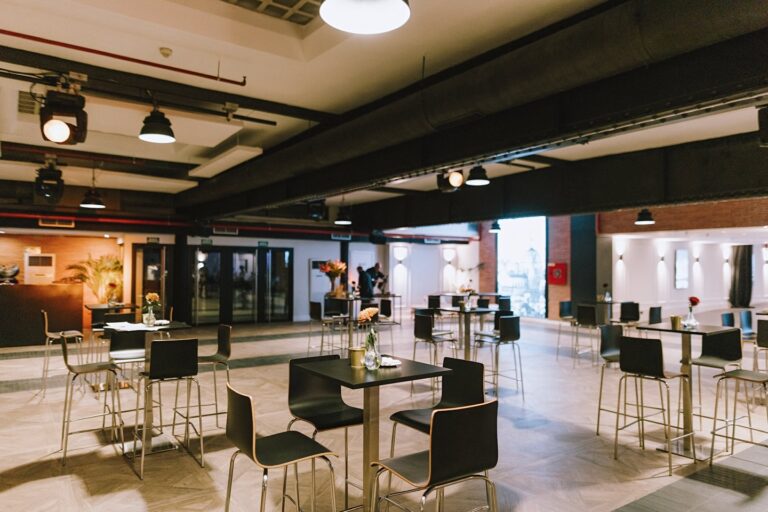
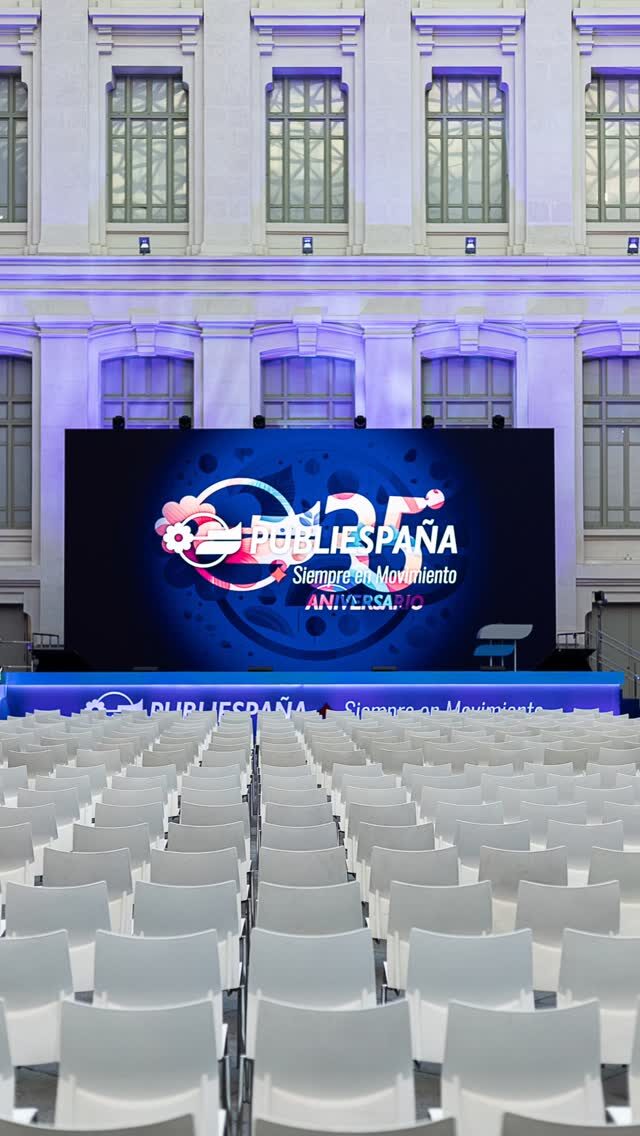
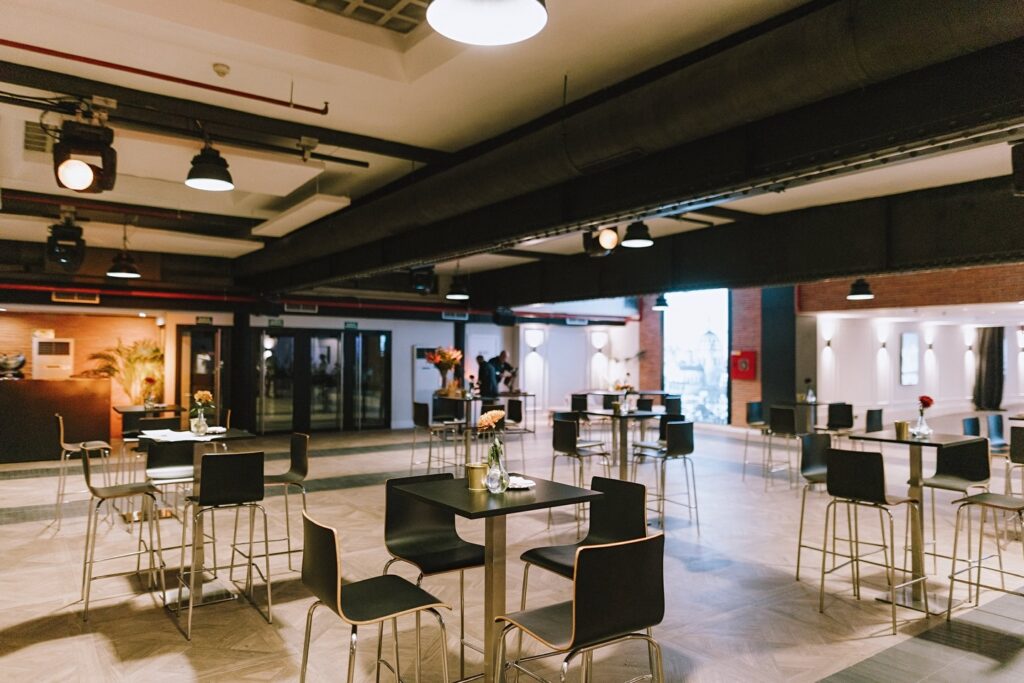
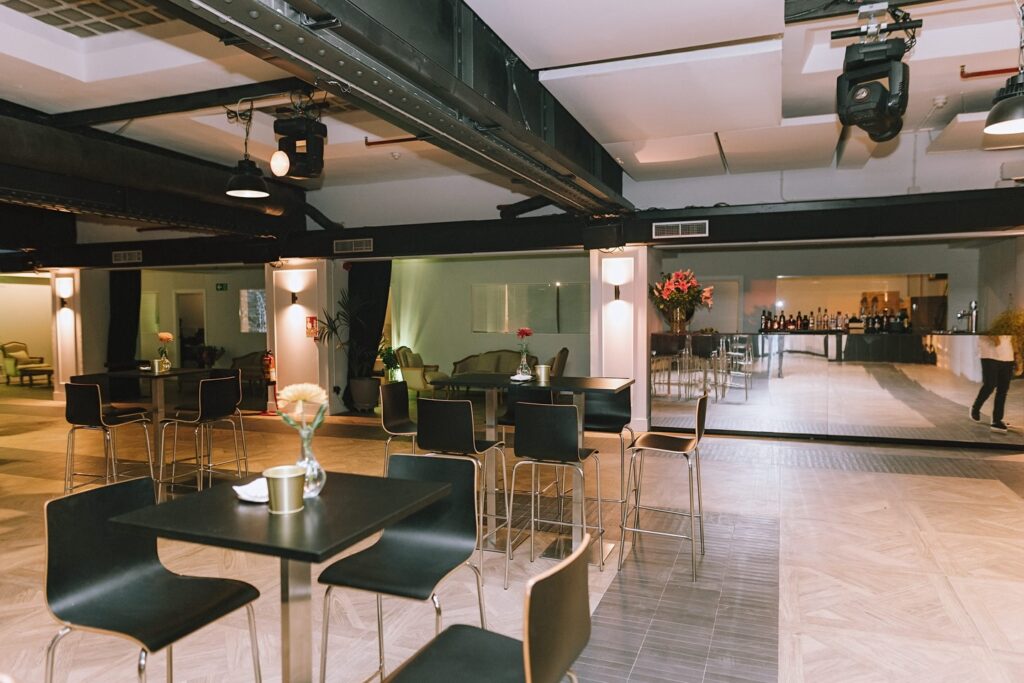
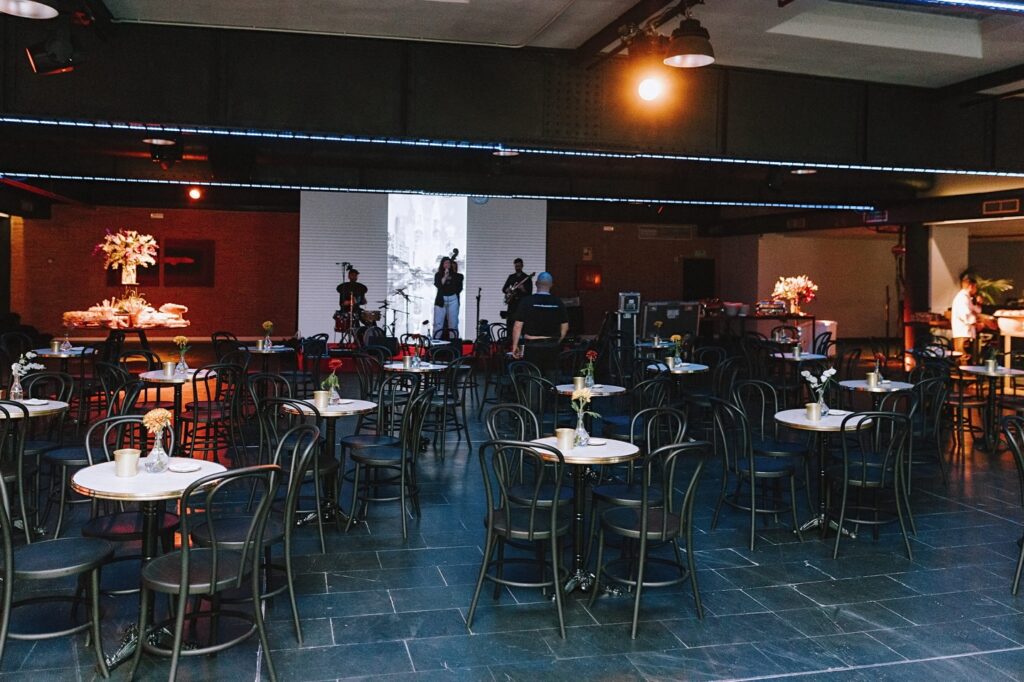
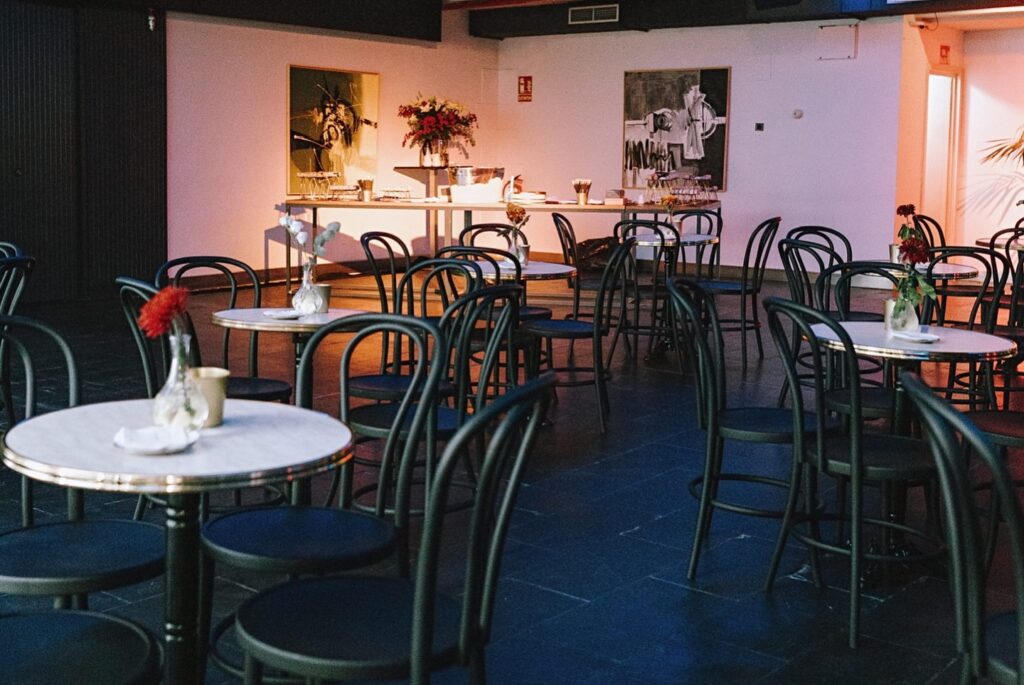
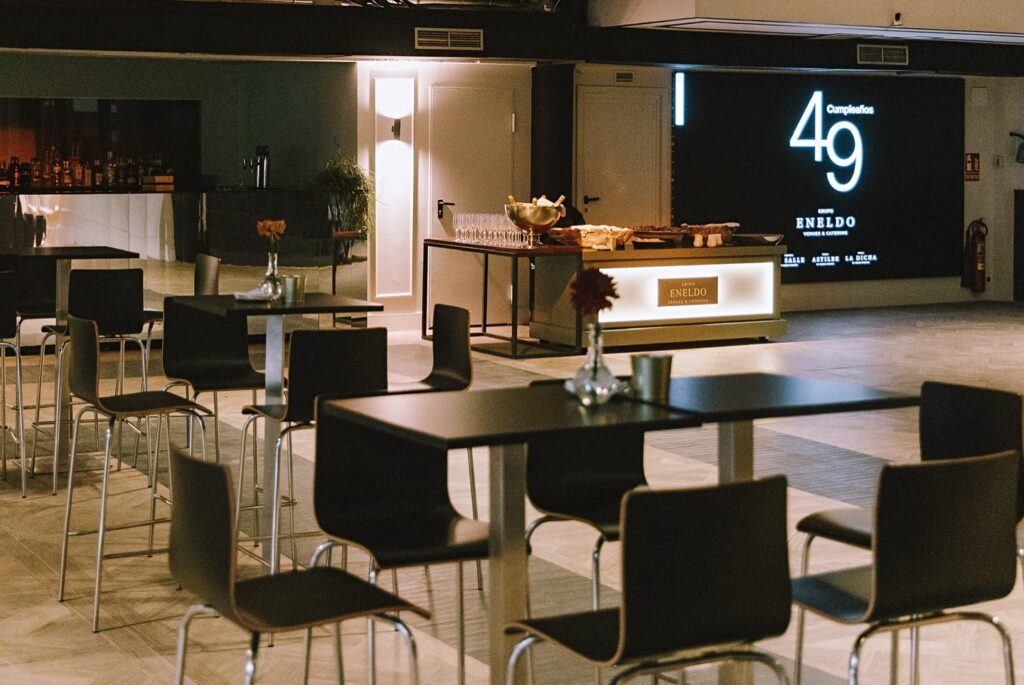
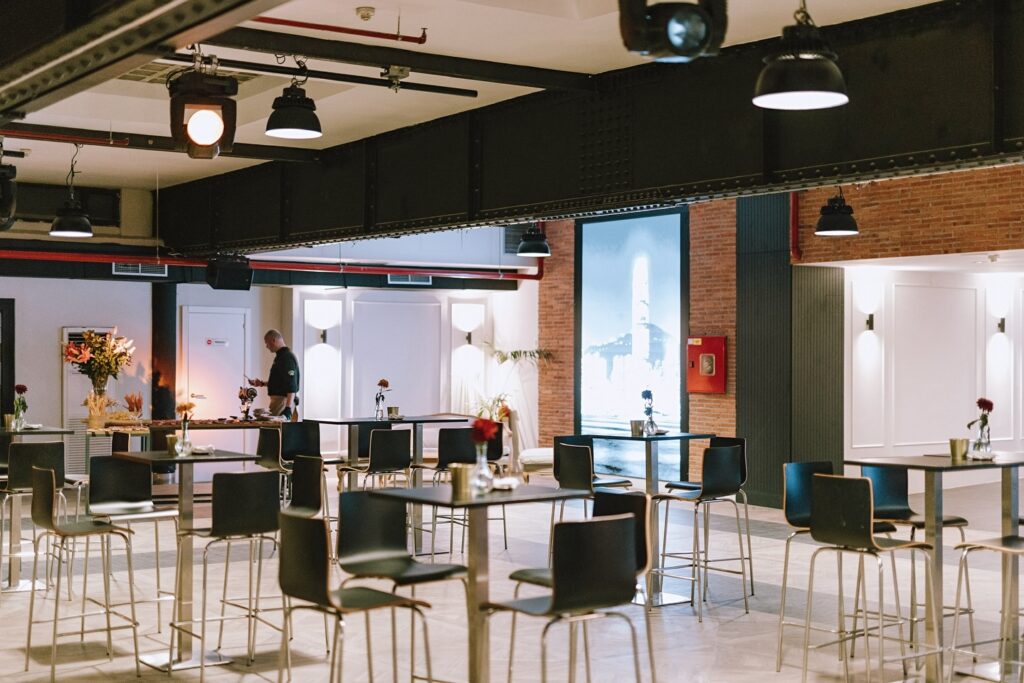
We offer curated owned venues like stunning Finca Astilbe or Espacio La Salle (150m from Santiago Bernabéu), plus vetted partners for any style, budget, size. Soulful spaces let you and guests relax without hitches.
Clients—from high-end privates to institutions and brands—repeat us. We listen, propose, solve, treating every event as the year’s most important (it is, to someone).
For an event that conquers, thrills, and lingers: you’re in the right place. From planning to final toast, Grupo Eneldo makes every step count. We can’t control time… but how it’s remembered? That’s us.